Have a Question about JIIT?
Chat with VIDYA
Chat with VIDYA



Engineering education has entered a different era where students are no longer choosing branches based only on familiarity. Instead, they are asking questions before making a decision, such as "Which field will remain relevant ten years from now?”, “Which specialisations actually align with the industries shaping the digital economy?”, and most importantly, “Which institutions are preparing students for that future instead of teaching outdated frameworks?
This shift explains why future-focused programs like artificial intelligence, cybersecurity, and mathematics & computing are attracting massive attention from students in 2026. These are no longer just emerging domains; they have become central pillars of the global technology ecosystem.
Naturally, this has also changed how students evaluate colleges. Beyond placements and infrastructure, students are now paying attention to curriculum quality, research exposure, practical learning, and industry relevance. Among the institutions consistently appearing in these conversations, Jaypee Institute of Information Technology (JIIT) has built a strong reputation through its technology-oriented academic environment and evolving engineering programs.
Here is a closer look at some of the top engineering programs at JIIT and why they matter in 2026.
The traditional boundaries of engineering are gradually dissolving. Software now influences finance, AI powers healthcare diagnostics, and cybersecurity protects the digital systems and data that drives business decisions.
This shows that reputed industries are not only looking for graduates who have textbook knowledge, but they are also seeking engineers who have a deep understanding of systems, analytics, automation, and digital infrastructure together. That is exactly why specialised engineering programs are becoming more valuable today, because they bridge technical fundamentals with modern industry needs.
Programs like AI, cybersecurity, and mathematics & computing stand out because they sit right at the centre of this technological transition.
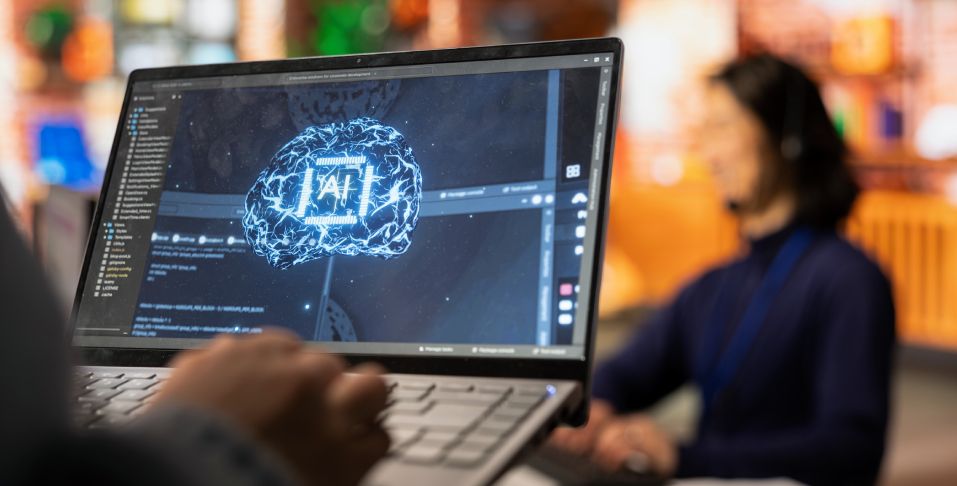
Artificial intelligence is no longer limited to science fiction conversations. Today, it powers recommendation engines, virtual assistants, predictive analytics, autonomous technologies, and enterprise automation tools.
From an engineering perspective, AI is about understanding how intelligent systems are built, not just how they are used. Students entering this domain explore machine learning, neural networks, deep learning, computer vision, and natural language processing.
Every sector now seeks some form of AI integration, which creates opportunities far beyond traditional tech companies. At JIIT, the focus on interdisciplinary learning helps students connect theoretical AI concepts with practical implementation. Exposure to coding culture, technical projects, hackathons, and an updated curriculum contributes to stronger industry readiness.
Some common AI-focused career roles include:
This field also encourages continuous learning, which keeps the work dynamic and future-oriented.
As digital systems continue to expand, cyber threats are growing alongside them. Businesses today are not only building technology; they are constantly protecting it. This has transformed cybersecurity into one of the most important domains in engineering. Cybersecurity focuses on protecting systems, networks, applications, and data from digital attacks. Students entering this field explore areas like ethical hacking, cryptography, cloud security, digital forensics, and network defence systems.
The interesting part is that cybersecurity now impacts almost every industry. Whether it is financial institutions, healthcare systems, governments, startups, telecom networks, or AI-driven enterprises, every organisation depends on strong digital protection.
This growing demand explains why students are increasingly searching for strong B Tech and MSc cybersecurity colleges that combine academic foundations with practical technical exposure. At institutions like JIIT, the emphasis on industry-connected learning and practical exposure help students understand cybersecurity as a constantly evolving technological challenge rather than just a theoretical subject.
Career Roles in Cybersecurity
Popular career options include:
Among the newer interdisciplinary engineering domains, mathematics & computing has emerged as one of the most versatile and intellectually rewarding programs. At first glance, students often misunderstand this field as “only mathematics.” But in reality, it combines advanced mathematics with computational problem-solving, algorithms, programming, and data-oriented thinking.
This blend has become extremely valuable in industrieswhere analytical modelling drives innovation. Financial technology, AI systems, quantitative analytics, cryptography, simulation systems, and data science, all rely heavily on mathematical and computational foundations. This is also why students compare institutions carefully while searching for strong B Tech mathematics and computing colleges that offer both theoretical depth and modern technical application.
This program is especially suited for students who enjoy logic, structured reasoning, algorithms, and analytical thinking.
Students generally study subjects such as:
Graduates often move into roles such as:
The broad applicability of this program makes it attractive to students seeking both technical depth and long-term career flexibility.
A modern engineering degree cannot rely only on classroom theory anymore. Industry expectations are evolving too quickly. Students entering AI, cybersecurity, or mathematics & computing need exposure to technical projects, internships, coding culture, research opportunities, industry collaboration, and competitive programming ecosystems.
That is where the ecosystem of an institution becomes extremely important. JIIT’s location within Noida’s growing technology hub creates strong proximity to startups, IT firms, and evolving digital industries. That environment naturally influences internships, networking exposure, and awareness of real-world technology trends.
For students looking for BTechin Cyber Security and MSc cyber security colleges, these ecosystem advantages often become just as important as the academic curriculum itself.
One mistake students often make is choosing engineering domains, purely based on trends. But these programs reward very different kinds of thinkers.
The smartest choice is rarely the most hyped one. It is usually the one that matches how you naturally approach problems and learning.
Engineering in 2026 is becoming increasingly interdisciplinary. The strongest career opportunities are emerging at the intersection of computation, intelligence, analytics, and digital infrastructure. Programs like AI, cybersecurity, and mathematics & computing clearly reflect where the industry is heading.
However, along with choosing the right specialisation, the surrounding academic ecosystem matters equally. For students exploring future-focused engineering programs, JIIT Noida continues to remain part of that conversation through its technology-driven academic environment and evolving engineering programs designed around modern industry expectations rather than outdated educational models.

 Old Website