 Old Website
Research & Development

Have a Question about JIIT?
Chat with VIDYA
Chat with VIDYA
 Important Announcements:
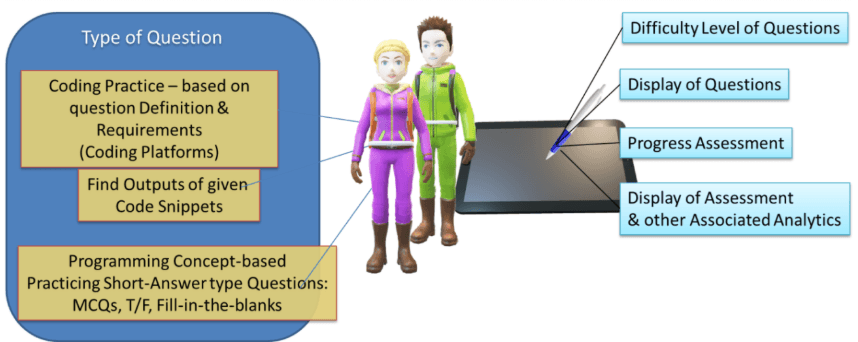
The Centre of Excellence on Artificial Intelligence for Education focuses on leveraging AI to revolutionize learning, assessment, and accessibility in education. Its diverse initiatives include tools for automatic generation of programming exercises, AI-based assessment systems offering personalized feedback, and short-answer grading models using deep semantic techniques. The Centre has also developed inclusive tools such as English-to-Indian Sign Language translation models and mobile apps for ISL learning. Additionally, AI-driven chatbots, adaptive learning systems based on student styles, and tools for speech-to-text summarization enhance both teaching and learning experiences. These projects collectively aim to personalize, automate, and democratize education using advanced AI technologies.
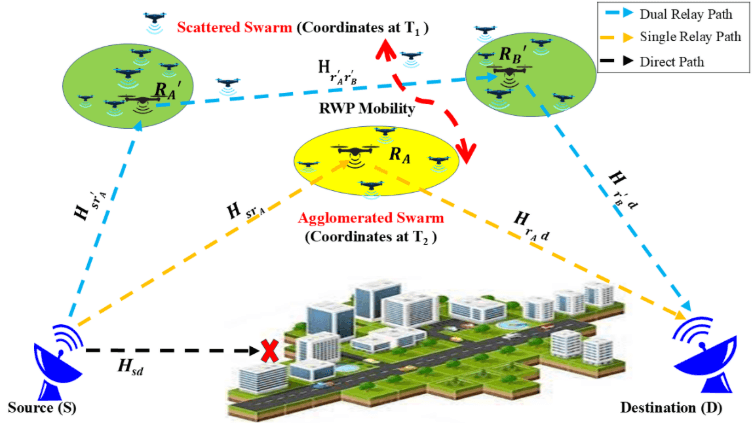
The Centre of Excellence on UAV & Electronic Border Security is a research-driven initiative focused on developing cutting-edge technologies for national defense and surveillance. Key innovations include a compact smart antenna system using switched beam technology for border security and acoustic vector sensors for UAV detection and localization. The Centre is also advancing secure UAV communication through blockchain-based mutual authentication protocols and optimizing UAV network positioning using intelligent 3D relay strategies. Collaborations with industry partners like TRAANA Technologies and Paras Anti Drone Pvt. Ltd. further strengthen its mission to enable real-time deployment and commercialization of indigenous security solutions.
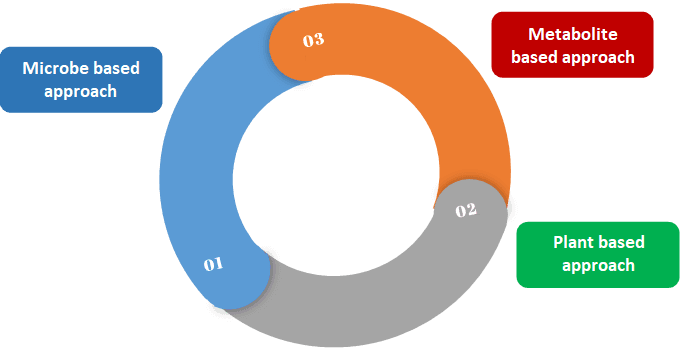
Rapid industrialization, increased productivity demands and environmentally inappropriate human activities continuously challenge natural resources including Soil, Air, & Water. Multiple pollutants generated as refuse/effluent present serious environmental threats. Biotechnology offers economical and safe solutions to restore Soil, & Water quality through application of a choice of plants & microbes. At TSSR, we propose to address issues of soil & water pollution broadly subdivided into three subdivisions namely: MAR - Microbe Assisted Remediation, PAR - Plant Assisted Remediation, EAR – Enzyme Assisted Remediation. In MAR, Bacteria & Fungi with proven bioremediation capabilities would be employed for clean-up processes in soil / water environments. Under PAR, chosen phytoremediator plants will be applied to decontaminate soil/water of organic and inorganic pollutants. EAR focuses on Metabolites & Enzymes derived from Plants or microbes, developing them as formulations (nano/micro) for bioremediation.
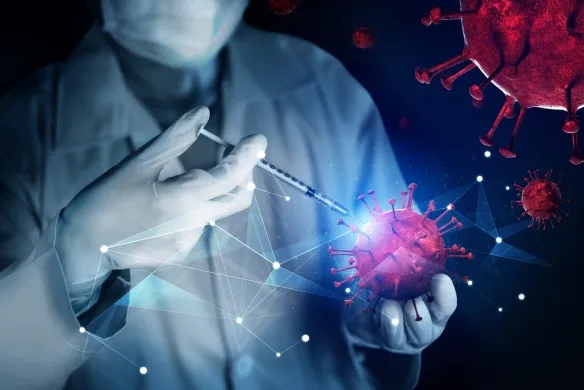
“Centre of Excellence in Emerging Diseases” addresses the questions of molecular mechanism/pathogenesis/host pathogen interactions of emerging and re-emerging viral and bacterial pathogens (Mycobacterium and others) and life style diseases such as obesity & diabetes, cancer, cardiovascular and CNS disorders using both wet laboratory and tools of computational biology/bioinformatics (genomics, proteomics and evolutionary approaches). Research emphasis is also on peptide-based therapeutics, regulatory peptides, biosensor and ELISA based diagnostics, and drug encapsulated nanoparticles and nanoemulsions.
Thrust areas include
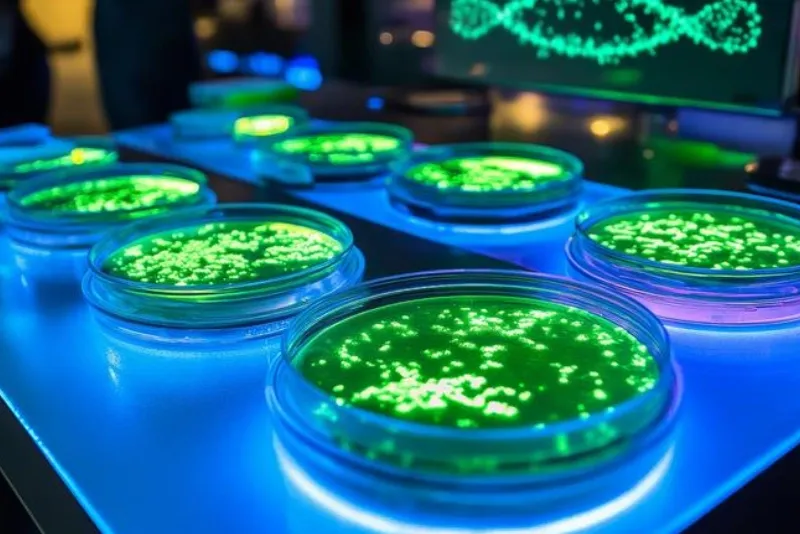
Plant & Microbial Biotechnology group addresses growing concern over environmental pollution, depleting natural resources and increasing demand of natural bio-products of therapeutic and industrial importance (food flavours-microbial production of Vanillin and probiotics; enzymes -Laccase, protease, tannase, polyphenol oxidase, keratinase from microbial sources, biosynthesis of chitosan, cellulose from microbial sources for bioprocess applications, bio-inoculants of plant and microbial origin for plant growth promotion and antibiosis, microbial remediation of organophosphate pesticides, biocatalyst for the removal of nitrogen and sulphur from petroleum products, phytoremediation of heavy metals-copper (Cu) and lead (Pb); screening for antimicrobial compounds-peptides/antibiotics).
Thrust area includes
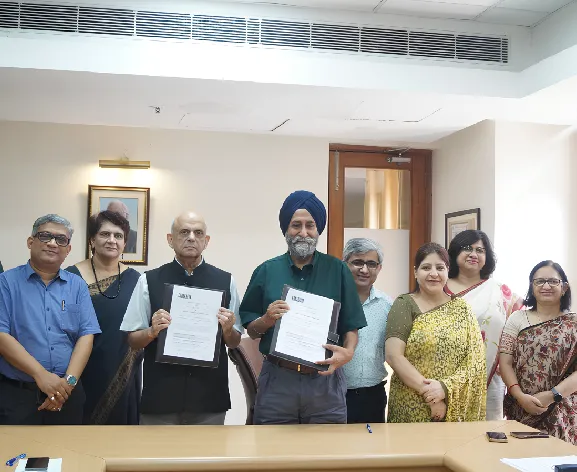
The Rekhi Centre of Excellence for the Science of Happiness has been jointly established by JIIT Noida and the Rekhi Foundation for Happiness with the objective of advancing the science and practice of happiness and well-being. The Centre aims to promote research, education, training, and practical application of well-being for a wide range of stakeholders, including students, faculty members, corporate partners, NGOs, and the larger community. Through structured academic offerings and experiential initiatives, the Centre seeks to integrate happiness science into personal, professional, and social contexts. Its activities are designed to expand awareness, deepen understanding, and encourage evidence-based practices that enhance well-being. By organizing courses, talks, workshops, seminars, conferences, and research initiatives, the Centre aspires to create a ripple effect of happiness, fostering resilient individuals and compassionate communities grounded in the principles of the science of happiness.
Thrust areas are